
Animal Assisted Therapy (AAT) supports children and young people’s emotional, social and developmental growth through guided interactions with trained therapy animals in a safe, supportive and engaging environment.
A calm, warm, and sensory-aware environment designed to help you feel safe, supported, and regulated.
We celebrate every brain. We recognise and respect each person's unique strengths, needs and way of experiencing the world.
Everyone belongs here. We welcome people of all abilities, "diffabilities", cultures, backgrounds, identities and beliefs.
Reliable support for NDIS participants and families.

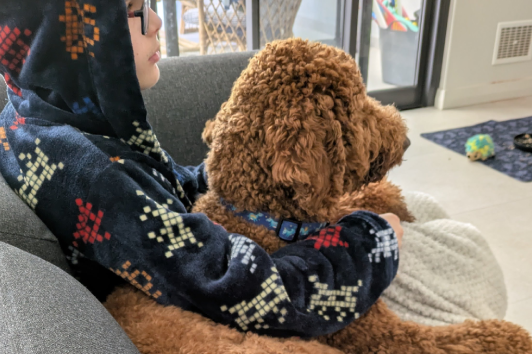
Animal Assisted Therapy helps children build confidence, communication and emotional regulation through meaningful interactions with registered therapy animals during guided, play based sessions.
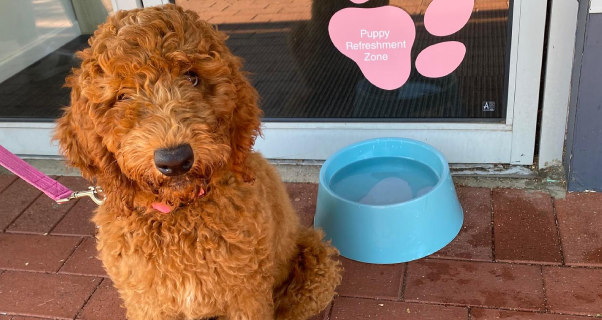
Our approach to Animal Assisted Therapy is grounded in connection, comfort, and child led engagement, and Eevee, our standard sized Groodle, plays a big part in making that possible. As a gentle, social therapy dog who adores belly rubs, tug‑of‑war, treats, and cuddles, Eevee helps children feel safe, motivated, and ready to participate. Guided by an occupational therapist, sessions are shaped around each child’s goals and interests, using Eevee’s warm presence to support regulation, confidence, communication, and play. By blending evidence informed practice with the joy of interacting with a beloved therapy dog, we create a therapeutic experience that feels natural, meaningful, and genuinely enjoyable for families.

Children engage with therapy animals through guided activities that encourage communication, emotional connection and positive interaction in a safe environment.
Sessions include playful and engaging activities involving the therapy animal that support therapeutic goals while keeping children motivated and comfortable.
Each session is guided by clear therapy goals tailored to your child’s needs, ensuring that interactions with the therapy animal support meaningful development.
Animal assisted therapy helps children, young people and families build confidence, connection and emotional wellbeing.
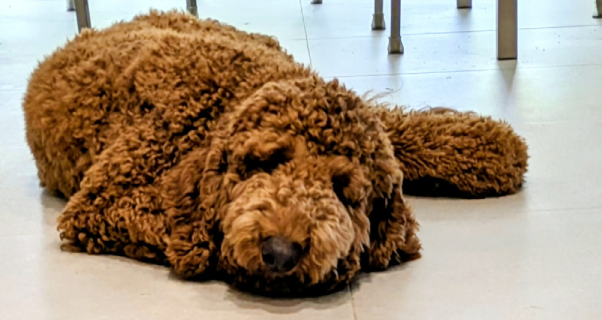
Interactions with our therapy dog can help children and young people feel calm, safe and relaxed during therapy sessions.
This supportive environment can help children and young people manage emotions more effectively and feel more comfortable participating in activities.
Spending time with therapy animals often helps children feel more confident and willing to engage in communication and interaction.
This confidence can extend into everyday situations such as school, friendships and social activities.
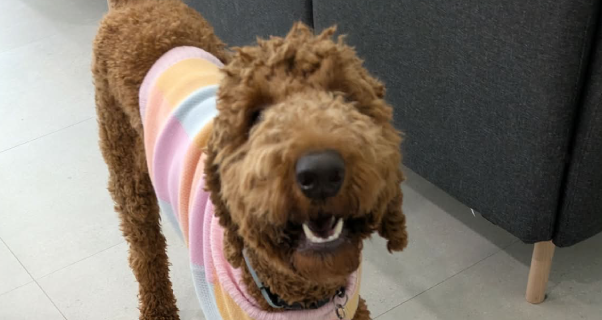
Pet Therapy encourages children to practise communication, turn taking and interaction in a natural and enjoyable setting.
These experiences help build stronger social skills that support positive relationships with peers and adults.
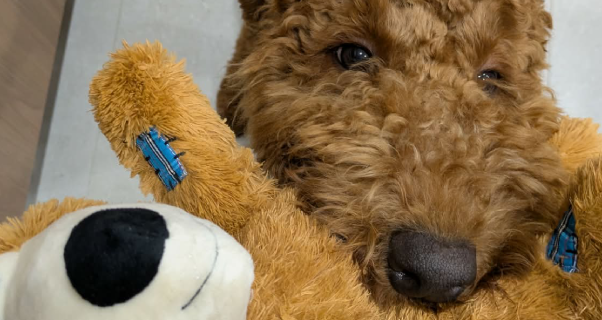
Therapy animals can motivate children to participate in activities they may otherwise avoid or find challenging.
This engagement helps create positive therapy experiences that support learning, growth and emotional development.
Common questions about Animal Assisted Intervention and how therapy animals can support children and young people’s emotional, social and developmental wellbeing.
A therapy dog supports other people, not just their handler. An assistance dog is trained for one person and has public access rights.
Therapy dogs do not have public access rights and only visit places where permission is given.
Therapy dogs help with:
Children may pat, brush, read to, walk with, or complete activities involving the therapy dog.
Yes. Therapy dogs complete professional training and assessment to ensure they are safe, gentle, and suitable for working with children and families. The handler (your therapist) is also trained in Animal‑Assisted Therapy.
Yes. Safety is always the priority.
Our therapy dog has been assessed for temperament, behaviour, and health. Sessions are supervised by a trained therapist who manages interactions, hygiene, and boundaries.
Many children who are nervous around dogs feel more comfortable when introduced slowly and gently. Your therapist will follow your child’s pace and never force interaction. Some children even overcome their fear through supported exposure.
No. The therapy dog is an addition to evidence informed occupational therapy, not a replacement. Your therapist integrates the dog into sessions to enhance therapeutic outcomes.
We love the enthusiasm, but for safety and consistency, only the handler provides treats and toys. Children may offer treats during structured activities if appropriate.
Eevee is our gentle, standard-sized Groodle who works alongside Jessica in therapy sessions. She loves belly rubs, tug-of-war, treats, and cuddles, and she brings a warm, calming presence to the clinic.
Eevee knows basic cues and enjoys simple, fun activities like “fetch” “go find” and “touch.” These can be used in therapy to support engagement, communication, and motor skills.
When she’s off duty, Eevee loves playing tug‑of‑war, going for walks, snuggling with her family, and soaking up all the belly rubs she can get.
Eevee has a naturally soft, friendly temperament. She is patient with children, enjoys meeting new people, and responds beautifully to her handler’s cues. Her playful but gentle nature helps children feel safe and comfortable
Yes, if your child is comfortable and it fits the session goals. Eevee loves gentle pats and cuddles, and she is trained to interact safely with children.
Eevee has regular vet checks, grooming, rest breaks, and downtime. Her wellbeing is always prioritised, and she only works when she is relaxed and ready.
Yes. Eevee has been temperament‑tested, professionally trained, and works under Jessica’s supervision at all times. Her behaviour, health, and wellbeing are closely monitored.
Not always. The therapy dog attends sessions when it is clinically appropriate and beneficial for the child’s goals. Some sessions may be dog‑free depending on the plan.
The therapy dog is “on duty” when working.
Outside of sessions, please ask the handler before approaching. This helps maintain safety and the dog’s wellbeing.
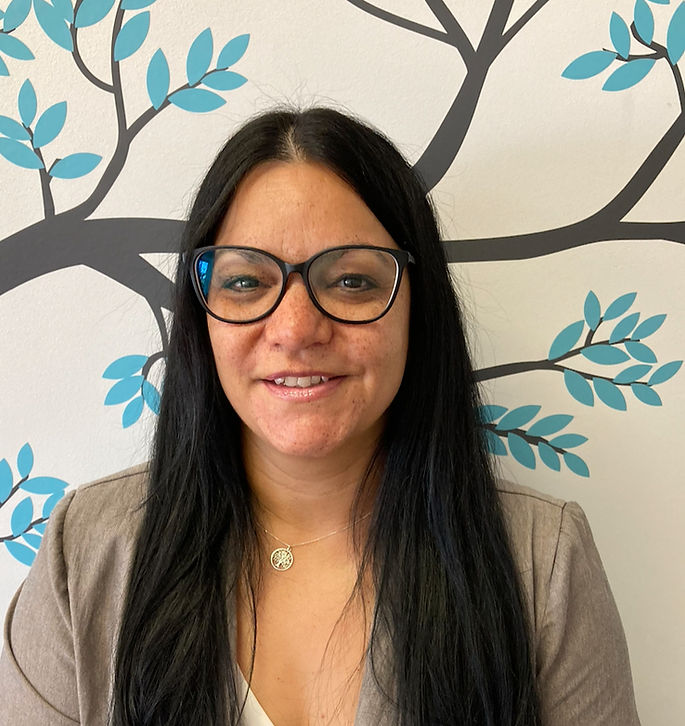
“My dream was to bring together a small team of caring and experienced paediatric therapists to work closely with local families in a nurturing, safe and calming environment. My aim is to ensure all the families in our club feel supported by our team to live lives that are connected and meaningful. If it takes a village to raise a child, we would love to be part of your village if you need support!”.
Cindy has been practicing as an occupational therapist in Perth WA since graduating from Curtin University in 2002. When Cindy is not at work she loves dance fitness classes, kickboxing, pilates and spending time with her three beautiful girls and their labradoodle Bear who often pops into the clinic to say hello.
“My dream was to bring together a small team of caring and experienced paediatric therapists to work closely with local families in a nurturing, safe and calming environment. My aim is to ensure all the families in our club feel supported by our team to live lives that are connected and meaningful. If it takes a village to raise a child, we would love to be part of your village if you need support!”.
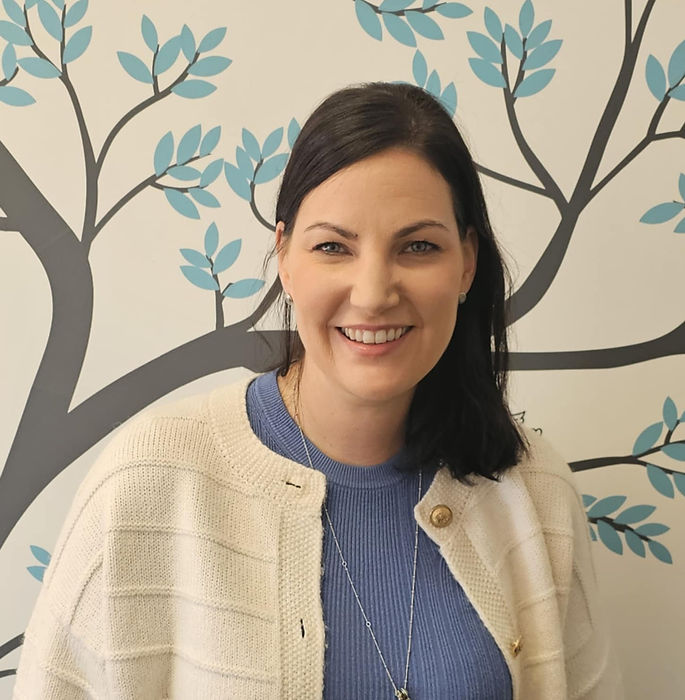
“My dream is to help children to develop the skills they need to grow into functional, independent young adults. I love supporting not just the child but their whole family, school and community to achieve goals that are meaningful. I look forward to working with your family”.
Jessica graduated with a Bachelors of Science degree in Occupational Therapy in 2009. She has enjoyed working for over 10 years as an occupational therapist in Perth WA. Jess has a passion for working with all children, adolescents and their families. She has experience with working with children and families with complex needs. At home she enjoys spending time with her hubby and their two young energetic boys. Jess loves reading every night to relax and attends karate most evenings!
“My dream is to help children to develop the skills they need to grow into functional, independent young adults. I love supporting not just the child but their whole family, school and community to achieve goals that are meaningful. I look forward to working with your family”.
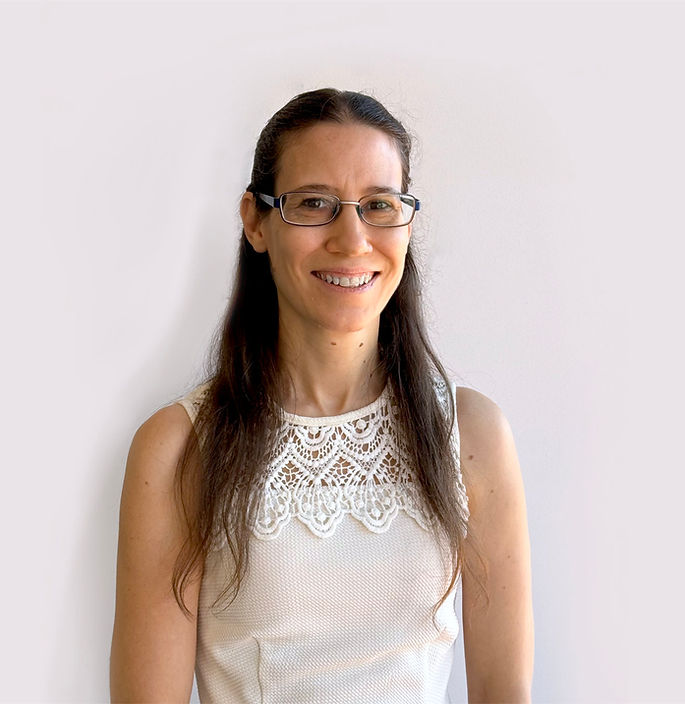
“My dream is to help big and little kids communicate with the important people in their life. I love helping kids feel heard and understood. Clear communication helps build meaningful relationships and emotional and psychological wellbeing for us as humans. It is such a privilege to help kids and their families understand each other”.
Karen received the Hazel Hawke scholarship to complete her bachelor of science in speech pathology at Curtin University in 2017 and was on the vice chancellor’s list multiple times. Karen is passionate about literacy and is experienced in the Sounds~Write Phonics Programme for kids. Karen is mum to four amazing kids and loves reading, yoga and bush walking to relax.
“My dream is to help big and little kids communicate with the important people in their life. I love helping kids feel heard and understood. Clear communication helps build meaningful relationships and emotional and psychological wellbeing for us as humans. It is such a privilege to help kids and their families understand each other”.
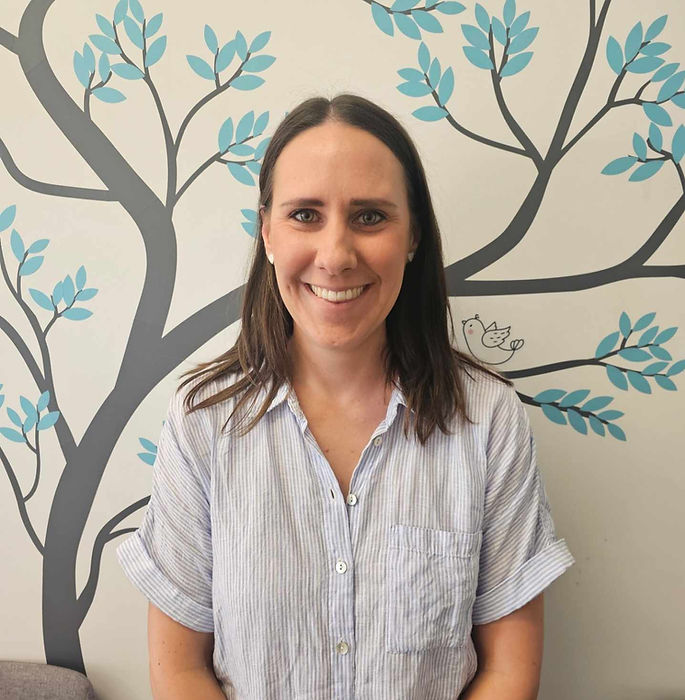
“My dream is for all children to thrive and live happy and meaningful lives. I enjoy getting to know each unique child, and working with them and their family, school and other important people in their life to achieve their goals.”.
Joanne graduated from Curtin University with a Bachelor of Science (Occupational Therapy) with Honours in 2010, and has been enjoying working with children and their families in a community setting over the past 10 years. Outside of work, Joanne enjoys spending time with her husband, toddler and fur-baby at the beach, swan river, and going for bush walks and bike rides..
“My dream is for all children to thrive and live happy and meaningful lives. I enjoy getting to know each unique child, and working with them and their family, school and other important people in their life to achieve their goals.”.

“My dream is to help children flourish and achieve goals that help them to become independent and functional in their occupations at play, home, school and in the community. I love working closely with families to ensure important goals are prioritised and achieved, and I like to think of new ways to make therapy as fun as possible!”
Taryn graduated from Curtin University with a Bachelor of Science in Occupational Therapy in 2006 and has been working as an Occupational Therapist in Perth since this time. In her spare time Taryn loves spending time with her husband and three gorgeous daughters. She also enjoys singing, CrossFit and walking her dog.
“My dream is to help children flourish and achieve goals that help them to become independent and functional in their occupations at play, home, school and in the community. I love working closely with families to ensure important goals are prioritised and achieved, and I like to think of new ways to make therapy as fun as possible!”

“To empower children by giving them the tools they need to communicate in a fun, caring and family-centered way.”
Lara completed her Bachelor of Science (Speech Pathology) at Curtin University in 2018. Lara worked in paediatric private practice in Canberra and Southern NSW before returning to her hometown of Perth in 2021. Lara enjoys all areas of speech pathology but has a particular passion in the area of Augmentative and Alternative Communication (AAC) as she loves the reward in helping children find their voices. In her free time, Lara finds herself spending time with her four energetic dogs, going to the beach and reading the latest novel.
“To empower children by giving them the tools they need to communicate in a fun, caring and family-centered way.”
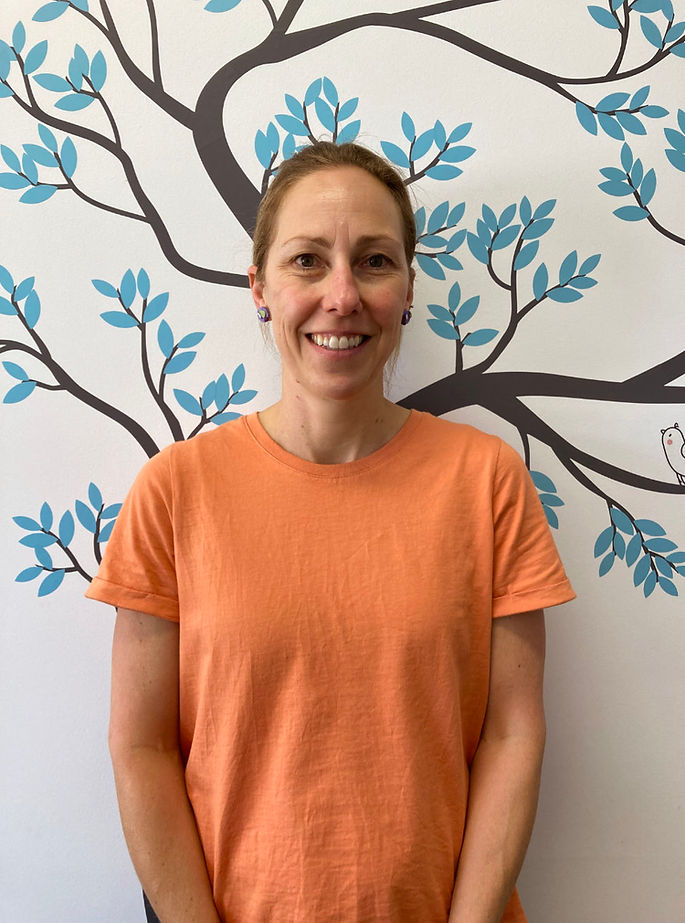
My dream is to help children develop their movement skills, build self-confidence in their physical abilities and in doing these two steps, support their participation in play, exploration, sport and whatever activities motivate them. The ultimate reward of my job is the moment I see a child (and their parents!) realise that they can do more than they ever thought possible. Movement opens up life’s doors to a child and their family for the long term. ”
Annie graduated from Curtin University with her Master of Physiotherapy degree in 2009. Since graduating, she has worked in sport, with acute and chronic injuries and since 2014, with children living with disabilities. Annie’s three primary loves in life are family, food and outdoor adventures. When not at work, she is camping with her husband and three young kids, mountain biking, bushwalking, swimming or competing in adventure races. Annie is passionate about supporting children and families in a way that works for them and fits into their life. She regularly attends professional development courses and seminars, and is linked in with a vast physiotherapy network across Australia, to keep up to date with current physiotherapy research and practices, to best support the families that she works with.
My dream is to help children develop their movement skills, build self-confidence in their physical abilities and in doing these two steps, support their participation in play, exploration, sport and whatever activities motivate them. The ultimate reward of my job is the moment I see a child (and their parents!) realise that they can do more than they ever thought possible. Movement opens up life’s doors to a child and their family for the long term. ”

Shayne’s dream is to support children and their families in all aspects of life, including at home, at school and in the community. She loves to see the lightbulb moment when a child achieves their goals. Shayne enjoys collaborating with families, teachers and other important individuals in a child’s life and daily activities. She believes it is a privilege to be involved in supporting the children that enter Kids Club.
Shayne completed her Masters of Speech Pathology at the University of Melbourne in 2021. Shayne is passionate about all areas of speech pathology but has a particular passion in the area of phonology and articulation as well as supporting children to be confident in who they are and developing their ability to participate in any activity that interests them. When she is not at work, Shayne enjoys crocheting, buying way more wool than she needs and spending time snuggling with her spoodle, Kuiper.
Shayne’s dream is to support children and their families in all aspects of life, including at home, at school and in the community. She loves to see the lightbulb moment when a child achieves their goals. Shayne enjoys collaborating with families, teachers and other important individuals in a child’s life and daily activities. She believes it is a privilege to be involved in supporting the children that enter Kids Club.
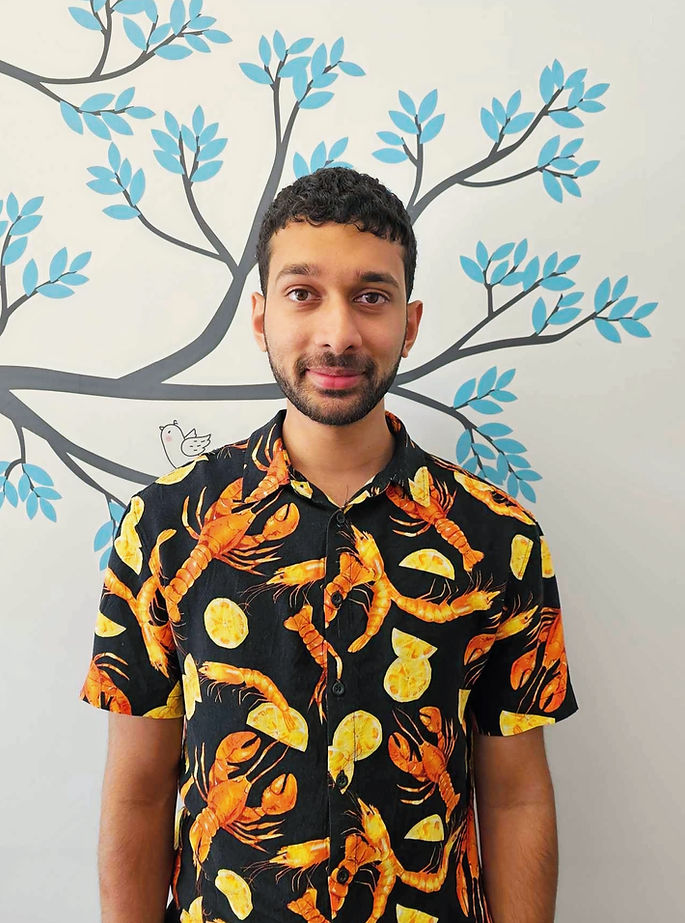
“My dream is that every child who comes to Kids Club for physio will get to say that they’ve had at least one positive experience with movement/physical activity. Developing movement skills is often key to supporting physical, mental and social wellbeing. I really do think even one positive experience can go a long way in terms of self-confidence, self-esteem, and willingness to try new things.”
Sandeep has been a physiotherapist since 2021. He has worked with children with developmental concerns, musculoskeletal and sporting injuries, respiratory/lung issues, and in rehab pre/post-surgery.
Sandeep thinks physiotherapy works best when he actively listens to your child. They are the expert of how they feel and what motivates them. By learning about these things, he hopes to create non-threatening opportunities for them to try slightly tricky tasks, and build handy new skills.
If you know any great local eateries, he will gratefully take recommendations. Discuss your pets to make him jealous (his dog lives in Queensland).
“My dream is that every child who comes to Kids Club for physio will get to say that they’ve had at least one positive experience with movement/physical activity. Developing movement skills is often key to supporting physical, mental and social wellbeing. I really do think even one positive experience can go a long way in terms of self-confidence, self-esteem, and willingness to try new things.”
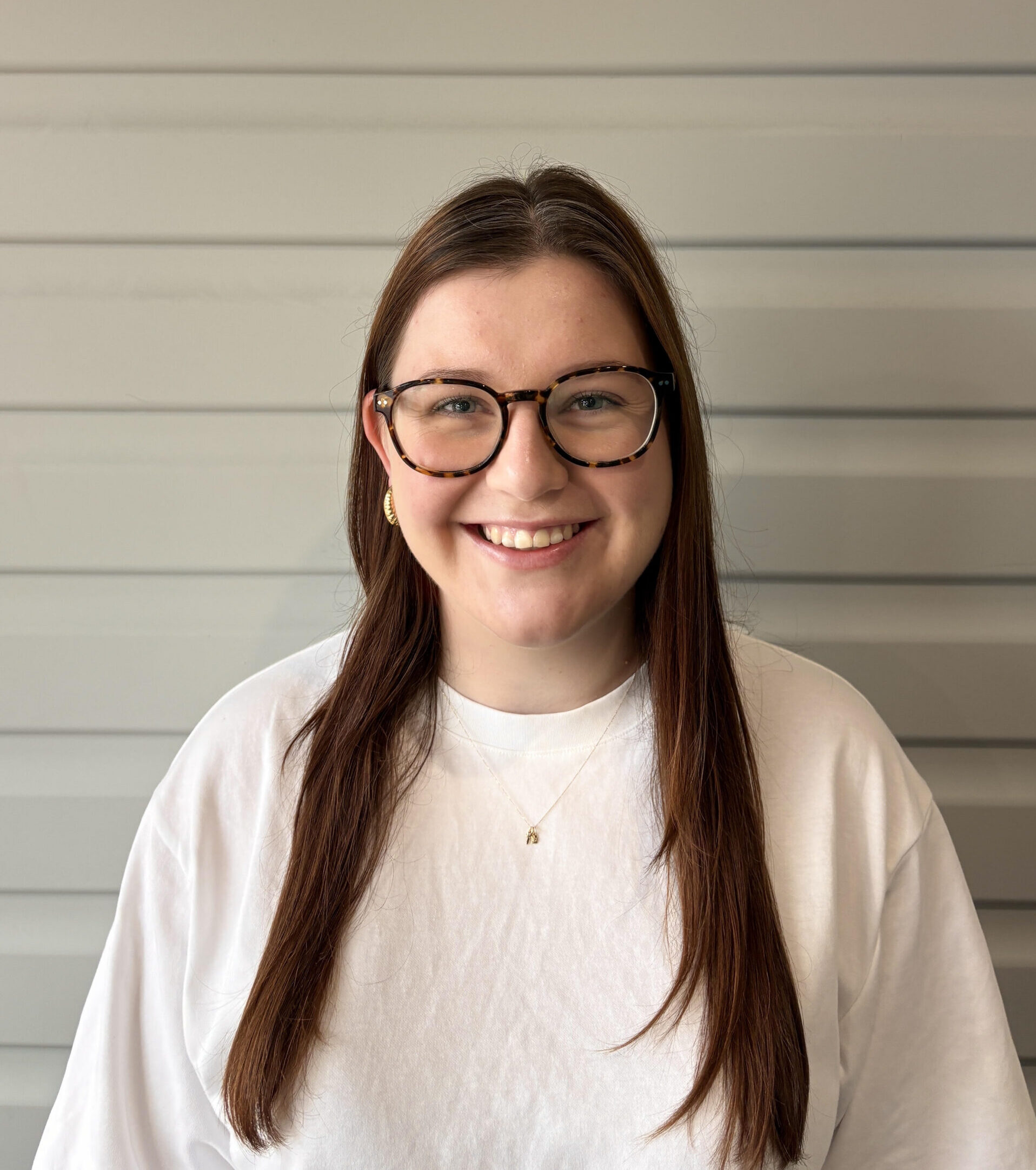
“My dream is to help kids build the skills they need to succeed in all parts of life – whether at home, school, play, or beyond. I am deeply passionate about not only supporting each child but also empowering their family to reach important goals together. One of the best parts of my job is seeing each child’s progress, no matter how fast or slow it comes. Growth isn’t always linear, and I love celebrating every step, big or small. My dream is to create a safe space where each child feels supported, encouraged, and empowered to grow at their own pace – while having a whole lot of fun in the process!”
Lara completed her Bachelor of Science (Neuroscience) at the University of Western Australia before completing her Master of Occupational Therapy degree at Curtin University, Perth. With her background rooted in neuroscience, Lara is passionate about helping children understand how their own brains work, empowering them to better navigate their world and reach their full potential. Lara is committed to providing therapy in a nurturing and inclusive environment where every child can thrive. Outside of work, she enjoys travelling, getting lost in a book, and getting a bit too competitive at quiz nights.
“My dream is to help kids build the skills they need to succeed in all parts of life – whether at home, school, play, or beyond. I am deeply passionate about not only supporting each child but also empowering their family to reach important goals together. One of the best parts of my job is seeing each child’s progress, no matter how fast or slow it comes. Growth isn’t always linear, and I love celebrating every step, big or small. My dream is to create a safe space where each child feels supported, encouraged, and empowered to grow at their own pace – while having a whole lot of fun in the process!”
Complete the form below and we will guide you through the next steps and answer any questions you may have.