
Ever notice your child bending their thumbs all the way back to touch their wrists, or hear them complain about “growing pains” after a busy day at the park? For many kids, these flexible joints are completely normal. Known as hypermobility, or simply “bendy joints,” it’s a common feature in children. While most hypermobile kids grow up just fine, some benefit from extra support to prevent aches, injuries, and challenges with daily activities. Kids physio plays a key role in helping hypermobile kids move confidently, safely, and without pain.
Could My Child Have Hypermobility Syndrome?
Joint flexibility exists on a spectrum. Many children display general hypermobility without any negative impact; they can bend easily, wiggle fingers backward, or perform impressive stretches.
However, when flexibility is accompanied by pain, frequent injuries, or fatigue, it may indicate symptomatic hypermobility or hypermobility syndrome. Paediatric physiotherapists use tools like the Beighton Score to assess the degree of joint laxity, helping distinguish between typical flexibility and more clinically significant issues.
Identifying children who may benefit from intervention early allows families to prevent unnecessary discomfort and support healthy development through targeted therapy. This is true whether you are looking at physiotherapy for toddlers just finding their feet or support for older, active kids.
When to Seek Support Checklist
Parents often notice early warning signs that indicate a child may need professional support. While joint flexibility alone is usually harmless, certain clinical signs go beyond normal bendiness and suggest that a children’s physio assessment is beneficial. Look out for the following red flags:
- Frequent growing pains or leg aches at night
- Easily tiring during family walks or school PE
- Repeated sprains, subluxations, or general clumsiness
- Difficulty with fine motor skills, such as holding a pencil due to finger joint laxity
- Poor posture or slumping when sitting or standing
- Avoidance of active play or sports due to discomfort
- Persistent joint pain after light activity
- Difficulty learning new motor skills or coordination challenges
Observing patterns over time is key. Occasional aches can be normal for growing children, but ongoing discomfort, fatigue, or reduced participation in physical or school activities signals that a professional evaluation is worthwhile.
Early recognition of these signs allows children to benefit from targeted strength and joint stability programs provided by Kids Club Paediatric Therapy. Early intervention with kids physio helps prevent minor issues from becoming long-term problems, while supporting functional movement, confidence, and overall physical development.
How Children’s Physio Builds Strength and Joint Stability
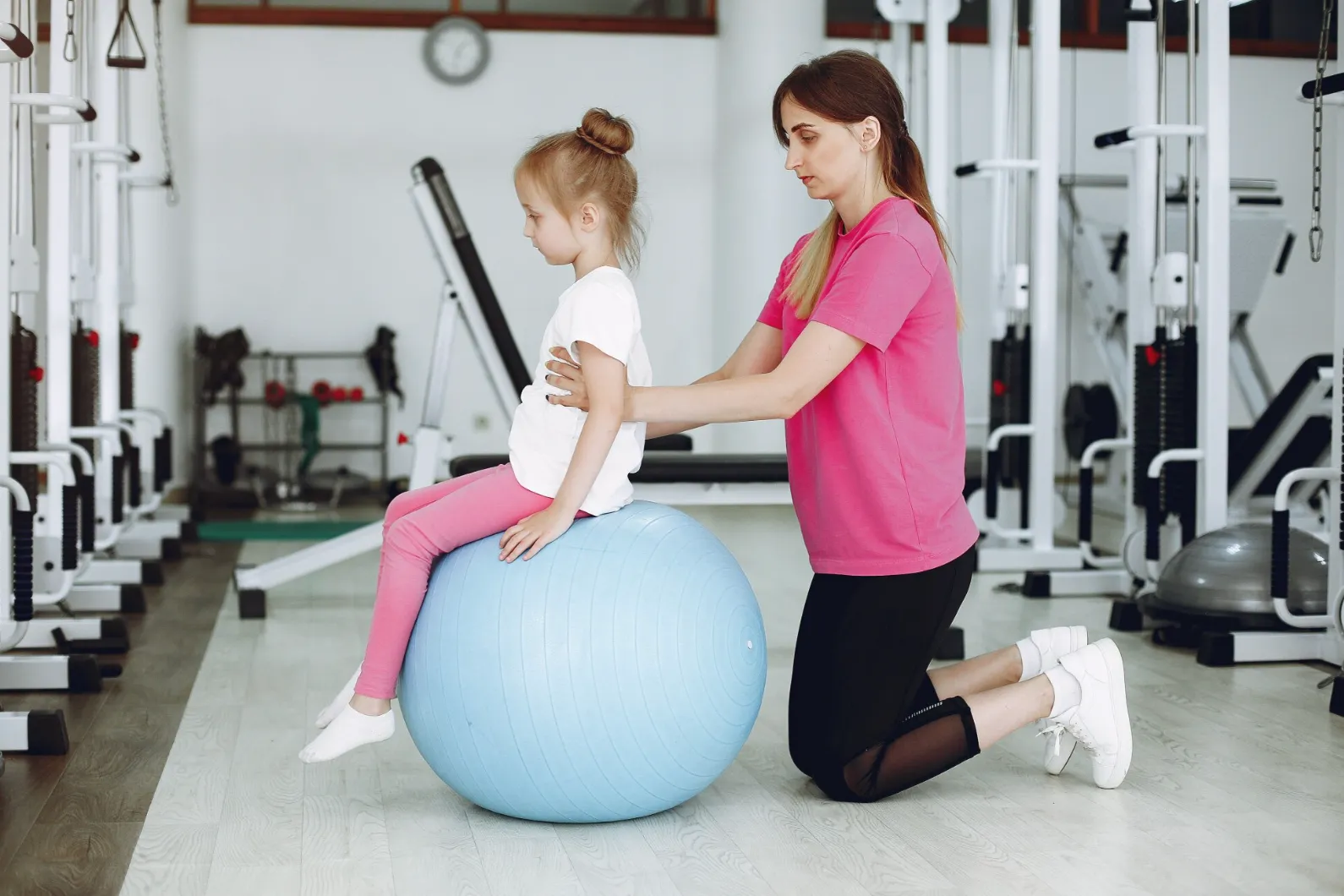
Because hypermobile kids are more flexible, muscles may work harder to stabilise joints. That is why children’s physiotherapy at Kids Club focuses on building targeted strength and stability to protect joints during movement and play. Physiotherapy for kids works best when it feels like fun rather than a workout, so children stay motivated and keep coming back.
Custom Strength Programs for Active Play
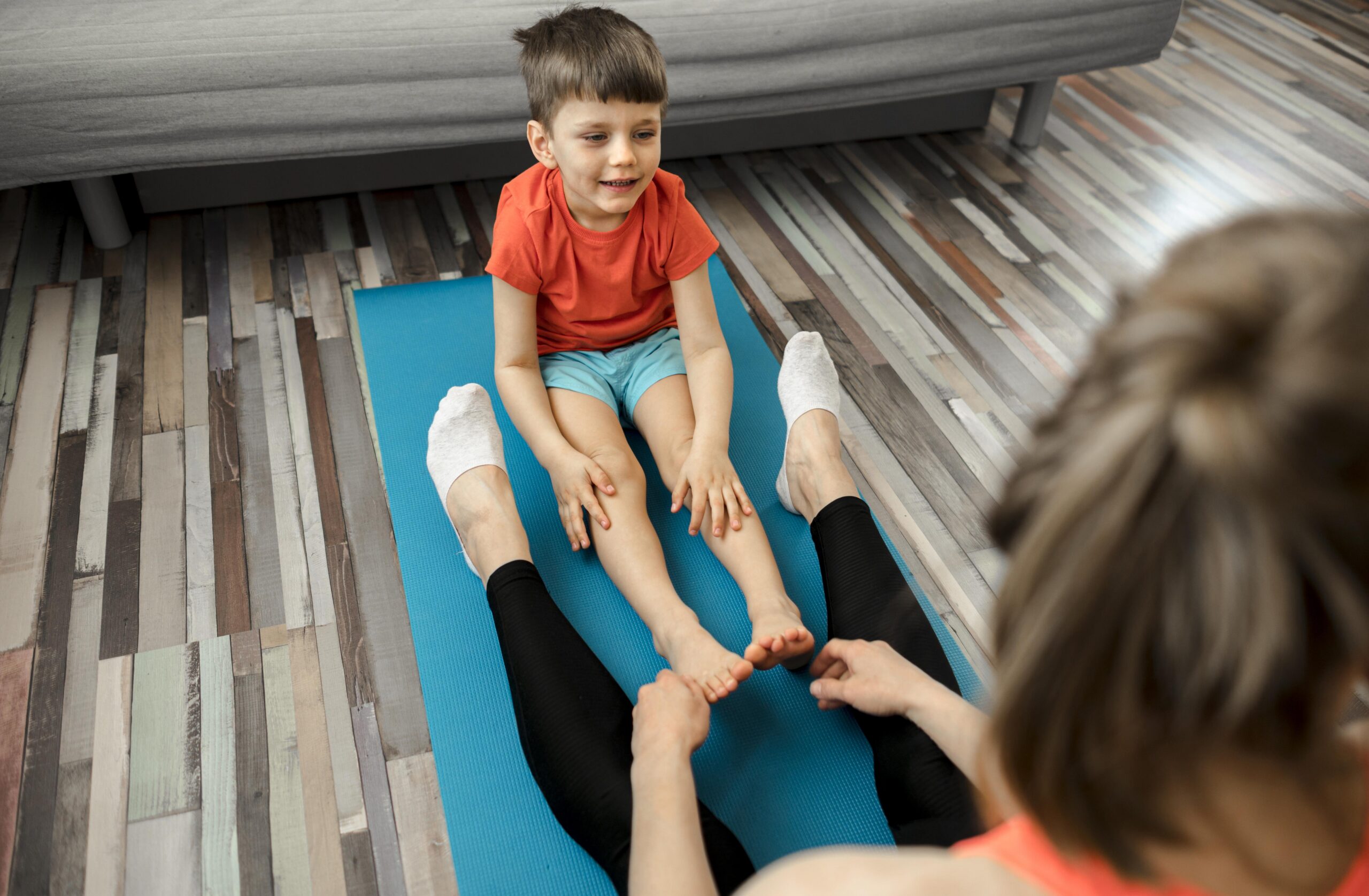
Paediatric physiotherapists develop low-impact, high-stability programs tailored to each child. This kind of child physiotherapy strengthens key muscles, supporting hypermobile joints during school sports, PE classes, or playground activities. Kids physio aims to help children enjoy active play alongside their peers with minimal pain and fatigue. Regular monitoring allows therapists to adjust programs as the child grows and their activity levels change.

Practical Home Strategies for Hypermobile Kids
Families can complement physiotherapy sessions with practical strategies at home. Pacing is key: avoiding the “boom and bust” cycle helps prevent fatigue or flare-ups after overexertion.
Proper seating and posture matter too; while W sitting is common among hypermobile children, prolonged W sitting can place strain on hips and knees, so encouraging upright sitting or alternative positions is recommended. If posture is a concern for your child, it is worth reading more about how children’s physio supports better posture.
Supportive footwear provides a stable base for movement, protecting knees and ankles during active play. This is especially important for bendy joints, and our guide to physiotherapy for children with flat feet explains why. Combining these strategies with professional guidance reinforces therapy goals and helps children develop long-term joint stability and confidence.
Additional strategies include setting up safe play zones that encourage balanced movement, incorporating short exercise breaks throughout the day, and teaching children to listen to their bodies to recognise when rest is needed.
Regular check-ins with a paediatric physiotherapist ensure that home routines complement clinic-based sessions, supporting overall development and reducing the risk of injury.
Families who consistently integrate these approaches often see improved coordination, better endurance, and greater confidence in daily activities.
Frequently Asked Questions (FAQs)
Will my child grow out of hypermobility?
While joint hypermobility can reduce with age, this is not always the case. What is important is whether symptoms like pain or fatigue are managed early, to optimise wellbeing. This can be achieved through strength, stability, and proprioception exercises. Children’s physio ensures that hypermobile kids build resilience and minimise complications as they grow.
Should my hypermobile child avoid sports?
No. Participation in sports is encouraged, but children need appropriate strength and stability. Low-impact activities like swimming or cycling are often ideal, while contact sports may require a physiotherapist’s assessment and guidance to ensure safety.
Is hypermobility related to Ehlers-Danlos Syndrome (EDS)?
Hypermobility is a feature of EDS, but most hypermobile children do not have the systemic issues associated with this condition. A professional assessment with a paediatric rheumatologist can clarify whether further investigation is needed.
How often should we see a children’s physio for hypermobility?
Frequency varies depending on severity and goals. Some children benefit from weekly strength blocks, while others need only periodic check-ins to monitor progress and adjust exercises. A good physio for kids will tailor this to your child rather than apply a fixed schedule.
Help Your Child Move with Confidence and Less Pain
If your child struggles to keep up with peers, experiences frequent aches, or shows signs of joint hypermobility, the right support from an experienced paediatric physiotherapist can make a real difference.
At Kids Club Paediatric Therapy, we support children through targeted, engaging programs that build strength, stability, and confidence. Our child-focused, evidence-based approach is delivered in a supportive, family-centred environment, ensuring therapy fits seamlessly into daily life. We support hypermobile children from our Bassendean clinic, welcoming families from across Perth.