
From that first shaky roll to the winning goal on the weekend soccer field, a child’s physical journey is a series of remarkable transitions. These transitions are impacted by gross motor skills, the movements that use the large muscles in the arms, legs, and torso.
While every child follows their own unique timeline, understanding the typical “windows” for development helps parents provide the right support at the right time. At Kids Club Paediatric Therapy, we use children’s physio to bridge the gap when milestones are delayed, ensuring every child in Perth has the opportunity to move with confidence.
What Are Gross Motor Skills?
Gross motor skills are the foundation of all physical activity. They include everything from head control and sitting to jumping and running. While fine motor skills involve small movements (like holding a pencil), gross motor skills are about the “big” movements.
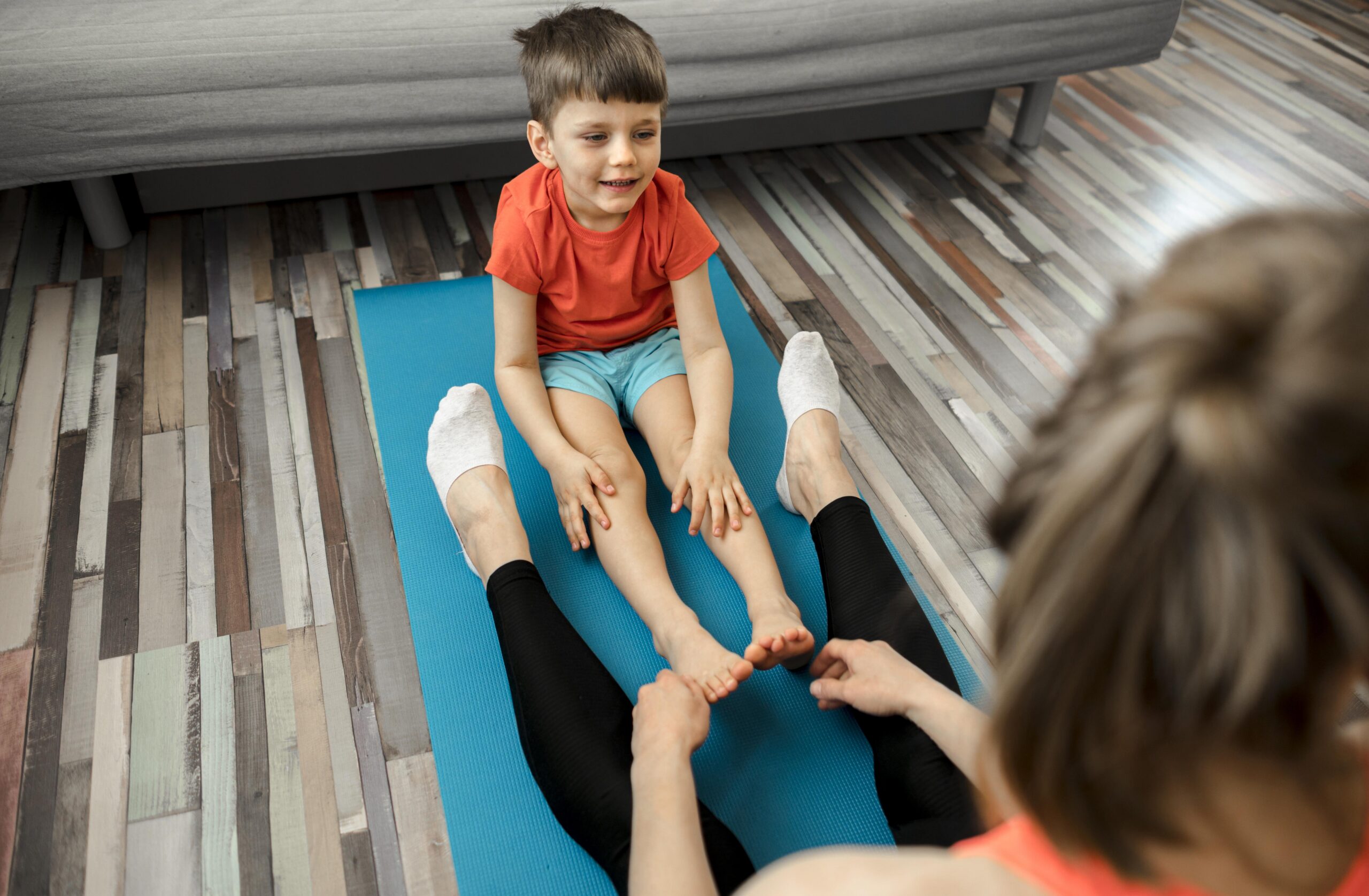
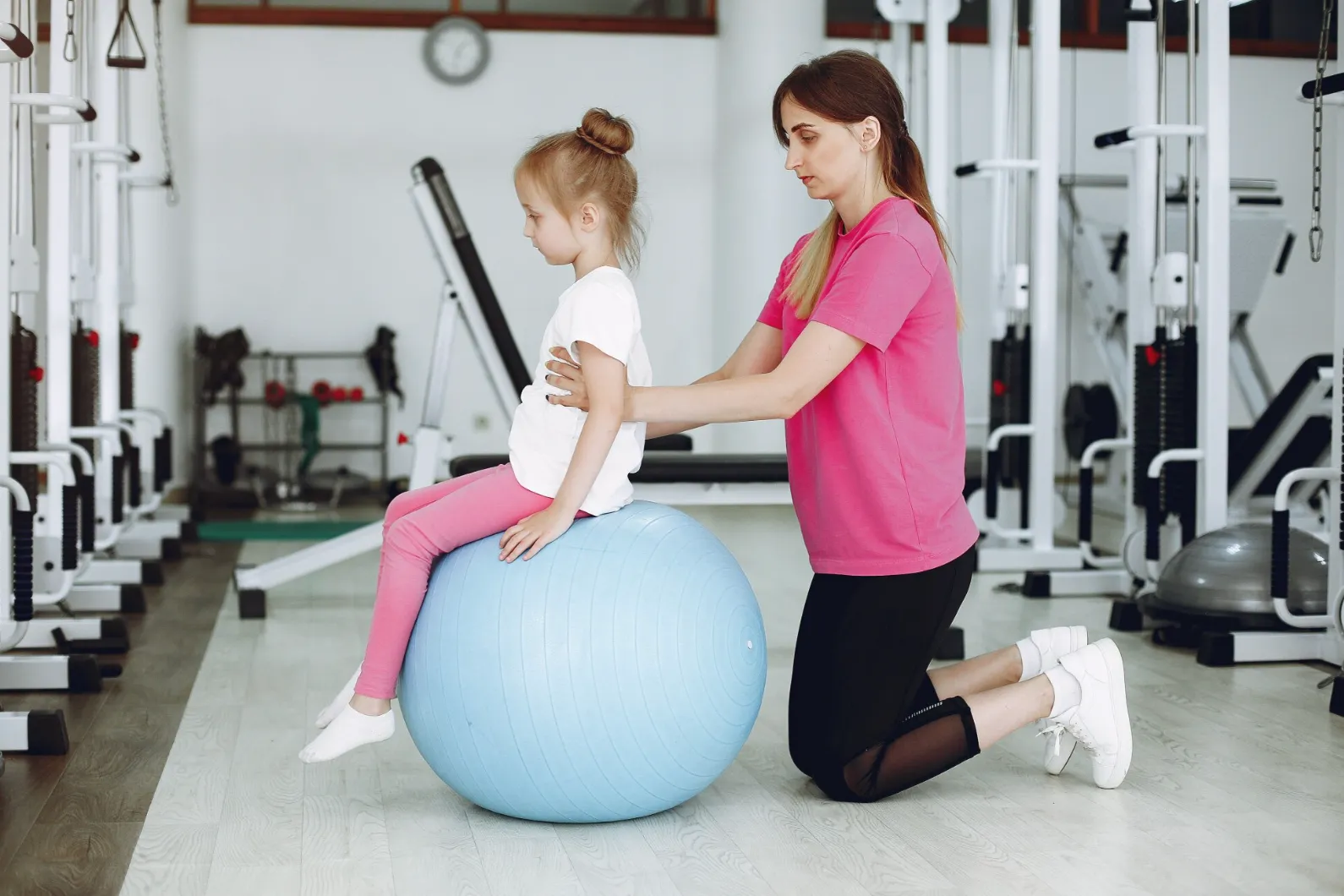
Developing these skills is about more than just physical strength; it’s about coordination, balance, and motor planning. When a child struggles with these, children’s physio can help develop those movement patterns through play-based exercises.
0–18 Months: The Foundation Phase
The first 18 months are the most intensive period of physical growth. During this stage, your baby is essentially learning how to work against gravity.
| Age | Expected Milestone | Why it Matters |
| 3–4 Months | Pushing up on arms during tummy time. | Builds neck and shoulder stability. |
| 6–7 Months | Rolling from back to tummy and sitting with support. | Develops core and general muscle strength |
| 9–10 Months | Crawling e.g. commando crawling or 4-point crawling. | Important for bilateral coordination (using both sides of the brain/body). |
| 12–15 Months | Pulling to stand and taking first steps. | Establishes balance and lower limb strength. |
When should you consult a physiotherapist for your baby?
Consider a consultation if your baby is not sitting by 9 months, not crawling by 12 months, or not walking by 18 months. Other signs include a strong preference for one side of the body or feeling excessively “floppy” or “stiff” when handled.
2–5 Years: The Explorer Phase
Once a child is upright, the focus shifts to refinement. This is the age of “toddler balance” and school readiness. By age four, a child should be able to do a forward jump and climb stairs using alternating feet.
School Readiness and Physical Literacy
As children approach the age of five, we look for “school readiness.” This isn’t just about the alphabet; it’s about whether their body can support them in a classroom.
- Core Strength: Can they sit upright on the floor during “mat time” without leaning on furniture?
- Coordination: Can they jump with two feet together or throw a ball?
If your child seems “clumsy” or avoids the playground, a kids physio assessment can help identify contributing factors and ideas to support gross motor skill development.
6–18 Years: The Performance Phase
As children become teenagers, their physical needs change. Growth spurts can lead to “growing pains,” and increased sports participation can lead to overuse injuries.
- Primary School (6–12): Focus on developing complex skills like skipping, riding a bike, and organised sports.
- Teenagers (13–18): Focus on teen posture (especially with “tech neck”), core stability, injury prevention during rapid growth, and mastering sport-specific skills.
If your teen is complaining of persistent knee or heel pain (often Osgood-Schlatter or Sever’s disease), physiotherapy is beneficial in managing these growth-related conditions.
When Should You Seek Help?
Early consultation is encouraged if you have concerns regarding your child’s movement.
Concerns Checklist by Age
- Infants: Not enjoying tummy time, a flat spot on the head, or not rolling by 7 months.
- Toddlers: Persistent toe walking, frequent tripping, or “W-sitting” (sitting with knees in front and feet out to the sides).
- School Age: Inability to catch a ball, difficulty sitting upright or on the floor, or getting tired easily during physical activity.
- Teens: Scoliosis (curvature of the spine), persistent joint pain, or poor posture.
Frequently Asked Questions (FAQ)
What is the difference between fine and gross motor skills?
Gross motor skills involve large muscle groups for big movements like walking. Fine motor skills involve small muscles for precise tasks like writing or using a fork. Often, a child with poor fine motor skills actually has underlying core weakness (gross motor), which a children’s physio can help develop.
My child skipped crawling and went straight to walking. Is that okay?
Yes, not-crawling prior to walking is acceptable, however crawling is helpful in developing early shoulder stability and coordination skills. If your child skipped crawling, and you are concerned with their gross motor or fine motor development, an assessment can identify if it is necessary to provide intervention to support strength or coordination.
Can physio help with school readiness?
Yes! We work on the physical components of school life: sitting still, carrying a heavy backpack, and having the endurance to play at recess without fatigue. We can also work on sport readiness and participation if this is something your child is interested in, or needs support in.
Support Your Child’s Journey at Kids Club
Whether you are navigating the first few months with a newborn or watching your teenager excel in sports, our paediatric physio in Perth team can help get your child’s physical development on the right track.
If you have concerns about your child’s milestones or coordination, we are ready to help.
Book a Developmental Screening at Kids Club Paediatric Therapy
Want to learn more? Check out our website https://www.kidsclubpaediatrictherapy.com.au/ .