
Taking your child to see a physiotherapist can feel like a big step. Whether you are seeking a child physio assessment for a specific condition or simply want to ensure your little one is meeting their milestones, it is natural to have questions.
At Kids Club Paediatric Therapy, we believe that the best therapy starts with a relaxed, welcoming environment, providing a space where “therapy” looks a lot like play.
This guide walks you through exactly what happens during an initial consultation to help reduce any “first-visit jitters” for both you and your child.
The First Visit
A kids physiotherapist considers the best way to engage your child, with the goal of having them feeling safe and comfortable throughout the session.
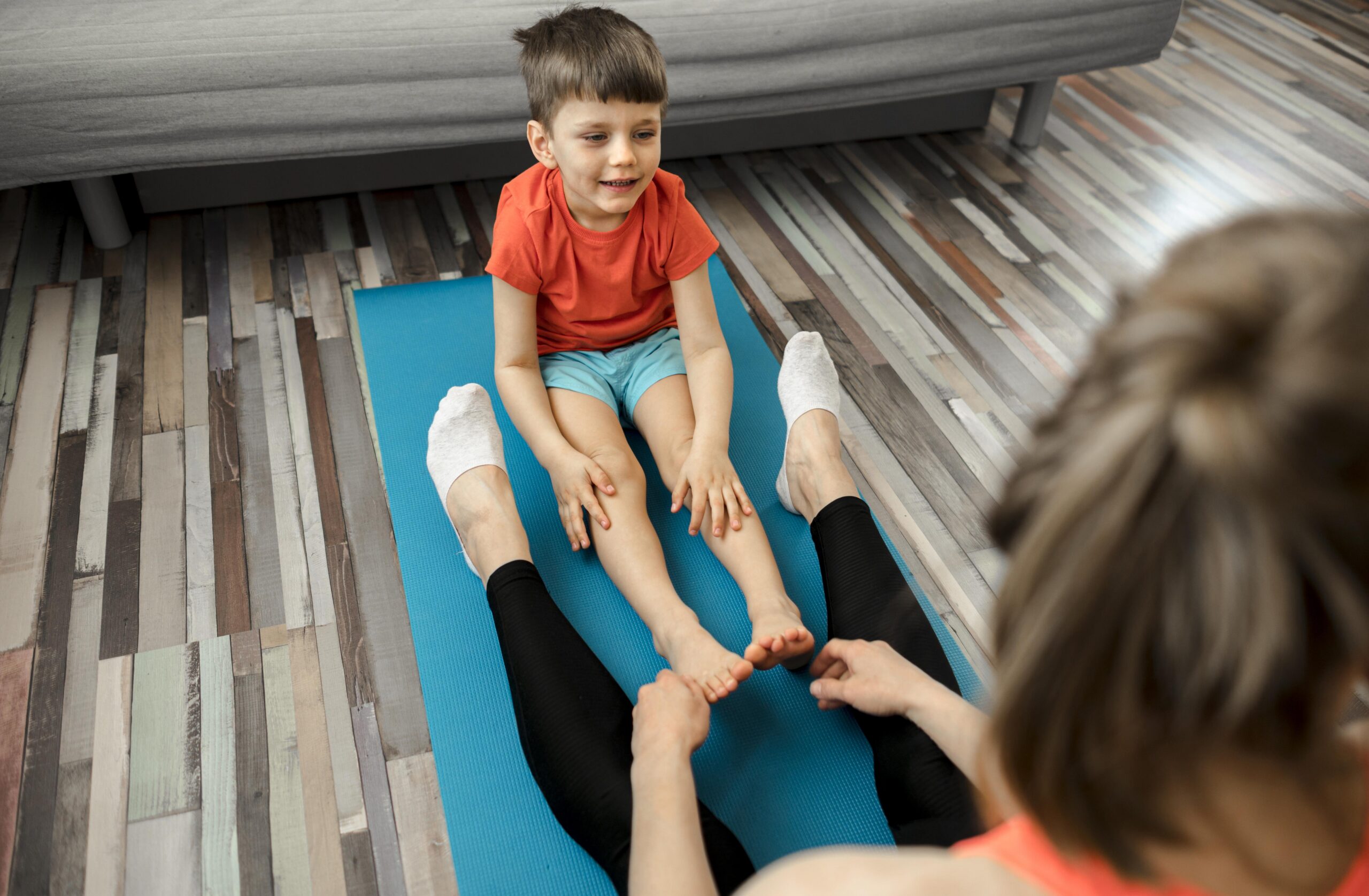
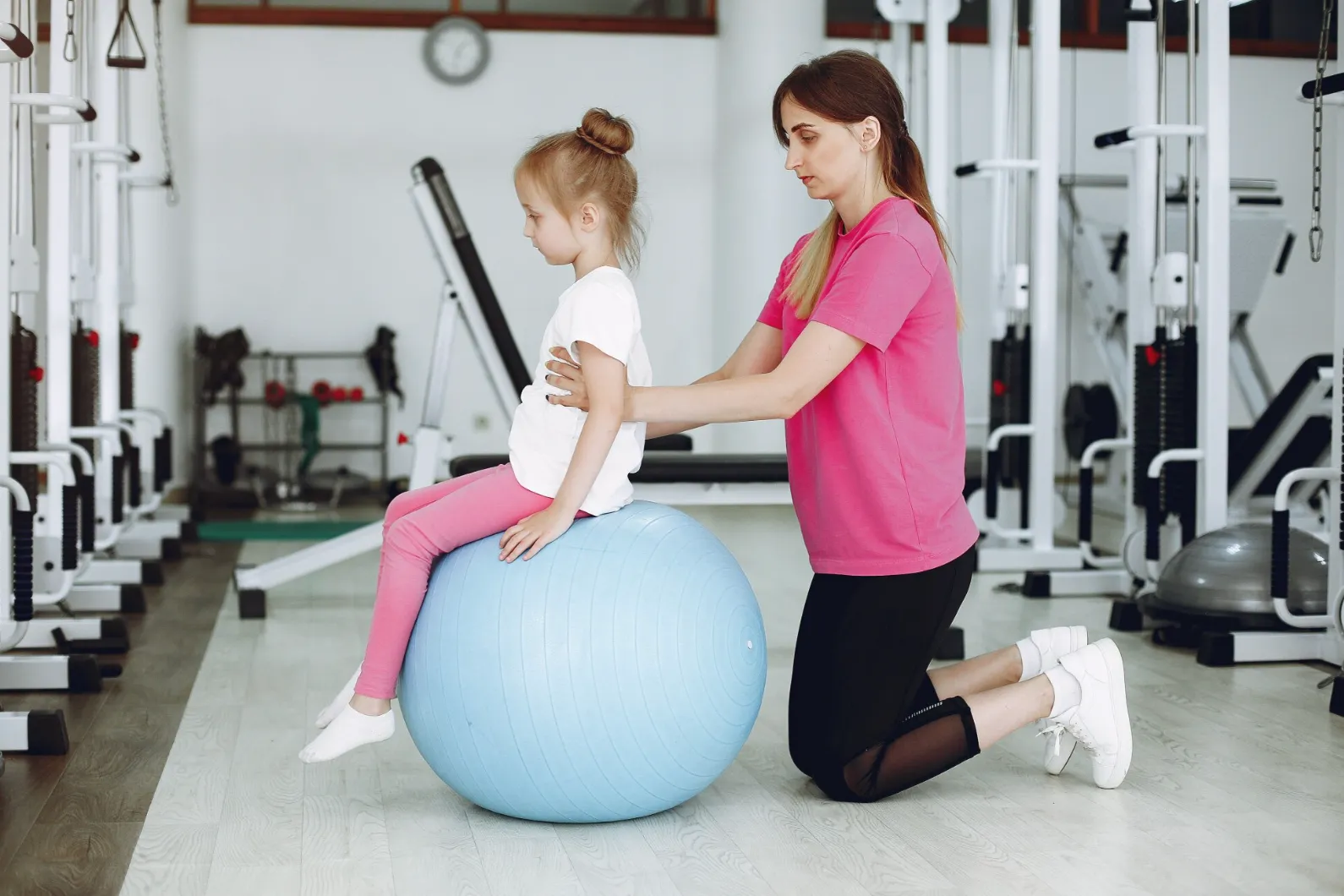
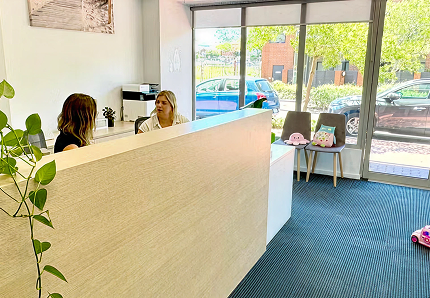
Our clinic is designed to be calming, and provides opportunities for kids to move. We use floor mats, colourful toys, balls, and climbing equipment. Our goal is to see how your child moves through play.
A typical first appointment involves a discussion of your child’s background and developmental history, a play-based physical assessment, and a discussion of what further therapy may look like if required. The physio observes gross motor skills, strength, and coordination while the child interacts with toys or equipment. The session usually lasts 50 minutes.
Step-by-Step: Your Child’s Physiotherapy Assessment
The first session is about understanding your child’s strengths, your concerns, and most importantly, your family’s goals.
1. The Parent Chat (Background Information)
Discussion may include: your child’s birth history, any diagnoses, and the specific reasons you’ve sought a paediatric physiotherapy provider. This is the time to share your concerns, whether it’s about their walking pattern, a developmental delay, or a sports injury.
2. Observation and Play-Based Tests
While we chat, we are already working! We watch how your child moves around the room.
- Do they pull themselves up to reach a toy?
- How do they transition from sitting to standing?
- Do they use both sides of their body equally?
We may use standardised assessment tools tailored to your child’s age to measure their gross motor skills against typical development milestones.
3. Physical Screening
With your child’s comfort as a priority, we may perform gentle hands-on checks. This includes assessing joint range of motion, muscle strength, and neurological reflexes. For older children, this might involve “challenges” like standing on one leg or catching a ball to check coordination.
Creating a Tailored Treatment Plan
Once the assessment is completed we will then discuss next steps to support your child’s ongoing development.
A high-quality paediatric physiotherapy Perth service is “family-centred.” This means that we acknowledge your expertise as the child’s primary carer. We are here to support their development with a plan which works for your lifestyle and prioritises your goals. This may include exercises, referrals, and ongoing therapy. We aim for these to be things that you can incorporate easily into your daily routine.
Practical Details: Duration, Costs, and the NDIS Pathway
We know the logistics are just as important as the clinical care.
- Session Length: Initial assessments typically take 50 minutes.
- NDIS Pathway: If you are an NDIS participant, we discuss how our therapy aligns with your child’s funded goals. We provide the necessary documentation and progress reports required for plan reviews.
- Referrals: You do not need a referral from a doctor to see us privately, though we do recommend collaborating with your GP or Paediatrician to rule out any medical impact on physical function and optimise support.
Checklist: What to Bring to Your Appointment
To make the most of your time with our kids physiotherapist in Perth, a little preparation goes a long way. Use this table as a quick reference:
| Category | What to Bring / Prepare | Why it Helps |
| Documentation | Health Record, NDIS Plan, or specialist reports. | Gives us a clear medical timeline. |
| Clothing | Comfortable clothes (e.g., leggings/shorts). | Allows us to see their joints move clearly. |
| Footwear | Any orthotics, splints, or the shoes they wear most. | Helps us assess their gait and foot posture. |
| Videos | 30 seconds of phone footage of the “concern” at home. | Kids often “perform” differently in a new clinic! |
| Comfort | A favourite toy or a specific snack. | Helps settle the child if they feel overwhelmed. |
Frequently Asked Questions
Will my child be in pain during the assessment?
Paediatric physiotherapy is non-invasive and based on gentle movement. If a child has a sports injury, we may need to palpate the area, but we always explain what we are doing and stop if the child is uncomfortable.
Can I bring siblings along?
The first assessment is quite intensive, if possible, having just the child being assessed allows for a more focused session. However, we understand busy family life and have a welcoming space for siblings if they do attend the session.
What happens after the first visit?
You will walk away with a better understanding of your child’s current physical status and a therapy plan for ongoing support if required. We will recommend a frequency for follow-up sessions, which could be weekly, fortnightly, or a monthly “check-in.”
Start Your Journey with Kids Club
If you’ve been searching for a child physio assessment that prioritises your child’s happiness as much as their health, you’ve found the right place. At Kids Club Paediatric Therapy, we are more than just a clinic,we are a partner in your child’s growth.
For more information on our specific services, you might like to read about how to choose the right paediatric physio or learn more about our dedicated team of therapists.
Ready to book?
Click here to contact Kids Club Paediatric Therapy and take the first step toward your child’s physical success. We can’t wait to meet you!