
You’ve probably noticed it, watching your child run across the playground or walk barefoot around the house, their feet look somehow different from other children’s. The arches seem flatter, or perhaps non-existent. Maybe their shoes wear unevenly, or they complain of tired legs after activities that don’t seem to bother their peers. You’ve heard that all toddlers have flat feet and that children often “grow out of it,” but you’re wondering: is this typical, or should I be concerned?
Flat feet in children are incredibly common, and in many cases, they are simply part of typical development. However, not all flat feet are equal, and knowing when to seek professional guidance can make a significant difference to your child’s comfort, activity levels, and long-term foot health. Children’s physio plays a crucial role in assessing, treating, and managing flat feet, particularly when early intervention can prevent future complications and support healthy arch development.
Understanding Flat Feet in Children: What’s Typical and What’s Not
All babies and toddlers have flat feet, this is completely typical. The arch of the foot doesn’t fully develop until around age 6-8, with some children not developing complete arch structure until their early teens. During these early years, a fat pad on the inner side of the foot also masks the developing arch, making feet appear flatter than they actually are.
As children grow and become more active, their foot muscles strengthen and the arch gradually becomes visible. By around age 6, most children will have developed a noticeable arch when standing. However, approximately 15-20% of children continue to have flat feet into adolescence and adulthood.
When should parents be concerned about flat feet in children? Parents should be concerned if their child experiences foot pain, develops unusual walking patterns, has rigid flat feet that don’t show an arch even when sitting or on tiptoes, complains of leg or knee pain, tires easily during physical activities, or if flat feet persist with symptoms beyond age 6-8. Early assessment by a physiotherapist is important to rule out any red flags and promote appropriate functional development.
The key distinction is between flexible flat feet and rigid flat feet. Flexible flat feet are those where an arch appears when the child stands on tiptoes or sits with their feet dangling. These are generally less concerning and often respond well to physiotherapy. Rigid flat feet, where no arch appears in any position, may indicate structural issues requiring more comprehensive assessment and treatment.
Other symptoms worth exploring include feet that turn inward excessively, ankles that collapse inwards (overpronation), pain or discomfort in the feet or legs, difficulty participating in physical activities, or visible differences in how your child walks compared to their peers.
How Flat Feet Affect Children’s Movement and Development
While some children with flat feet experience no problems whatsoever, others may face challenges that impact their daily activities and long-term musculoskeletal health. Understanding these potential effects helps explain why early detection and intervention matter.
When arches are absent or poorly developed, the foot may not absorb shock effectively during walking, running, and jumping. This can lead to increased stress on other joints throughout the lower body. The foot may roll inward excessively with each step, a movement called overpronation, which can create symptoms through the ankle, knee, and even hip.
Children with flat feet may experience foot pain, particularly in the arch area or heel. They may complain of leg aches, especially after physical activity or at the end of the day. These can be mistaken for “growing pains”. If you have concerns regarding this, a physiotherapy consultation may be beneficial.
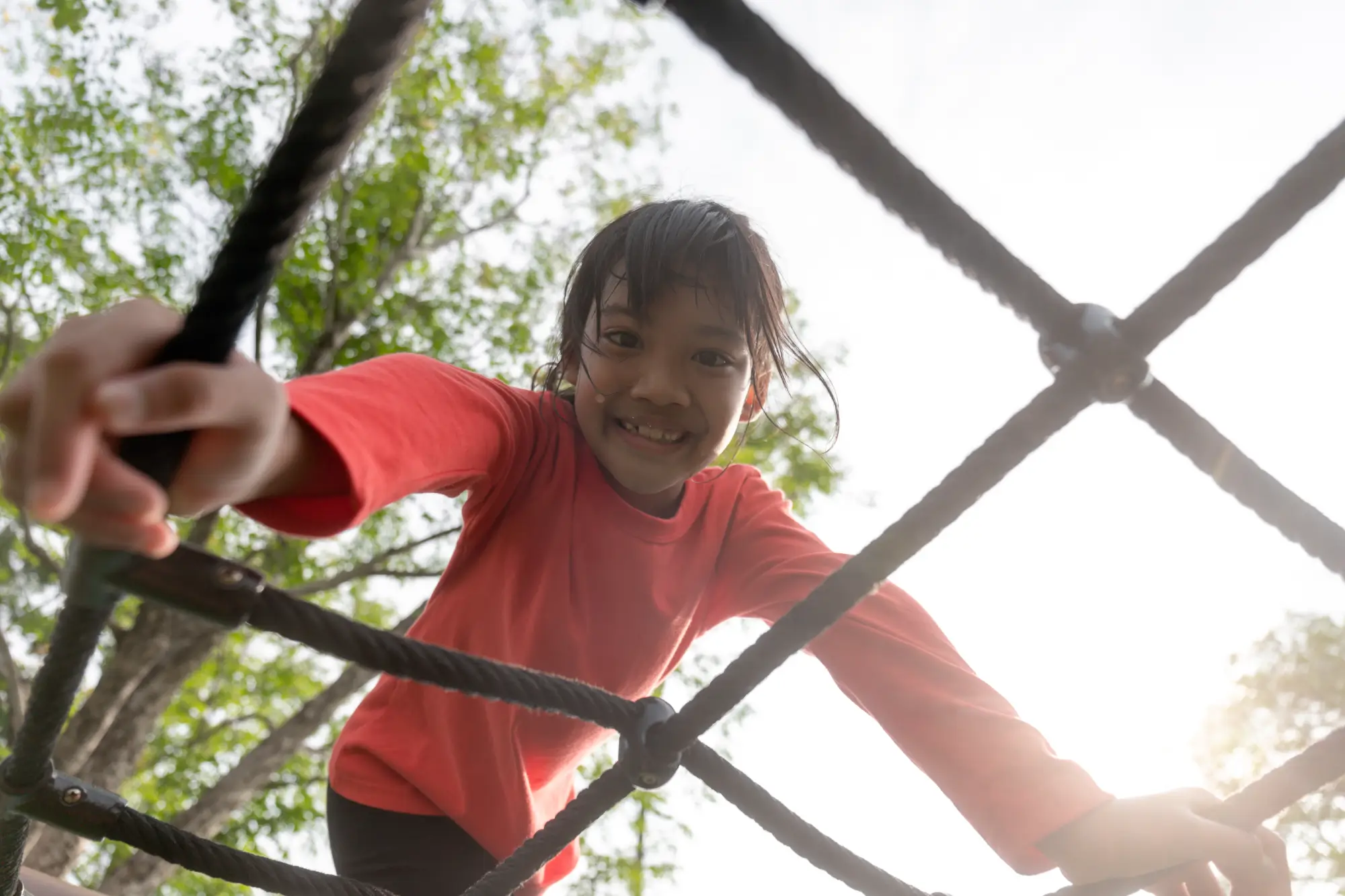
Children with flat feet may tire more easily during sports and active play because their muscles are working harder to stabilise their feet and maintain balance. This can affect their confidence, willingness to participate in physical activities, and overall fitness levels. Seeing a therapist may help with identifying the underlying cause and empowering the child to work on these skills in a safe environment.
The Role of Children’s Physio in Treating Flat Feet
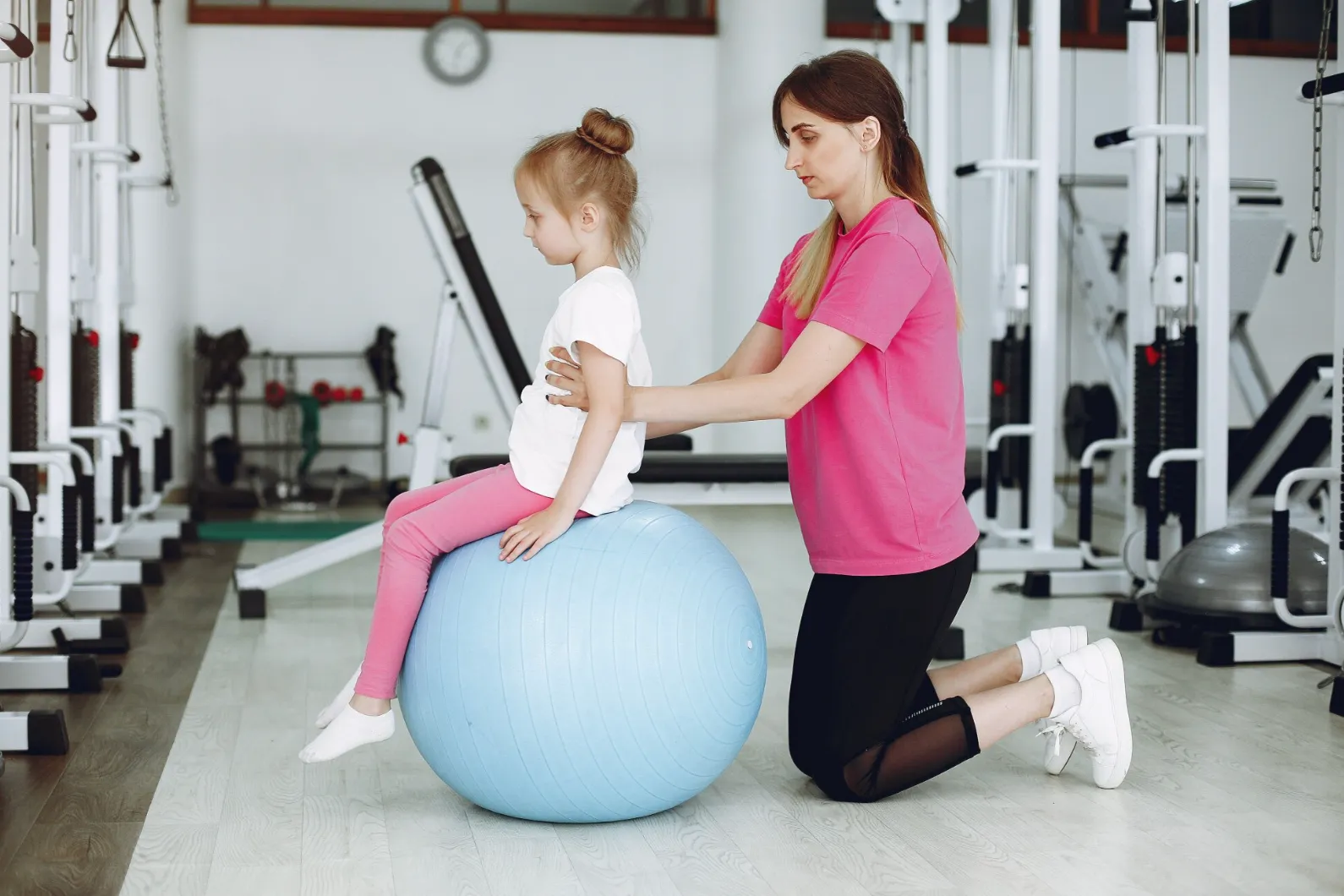
How does physiotherapy help children with flat feet? Physiotherapy helps children with flat feet by strengthening the intrinsic foot muscles that support the arch, improving balance and proprioception, evaluating gait, and providing exercises that promote healthy movement.
Children’s physiotherapy takes a comprehensive, active approach to supporting flat feet. Physiotherapy focuses on building the foot’s own strength and function from within. This can be supplemented with provision of orthotics or shoe inserts if necessary.
Physiotherapy treatment for flat feet in children may include:
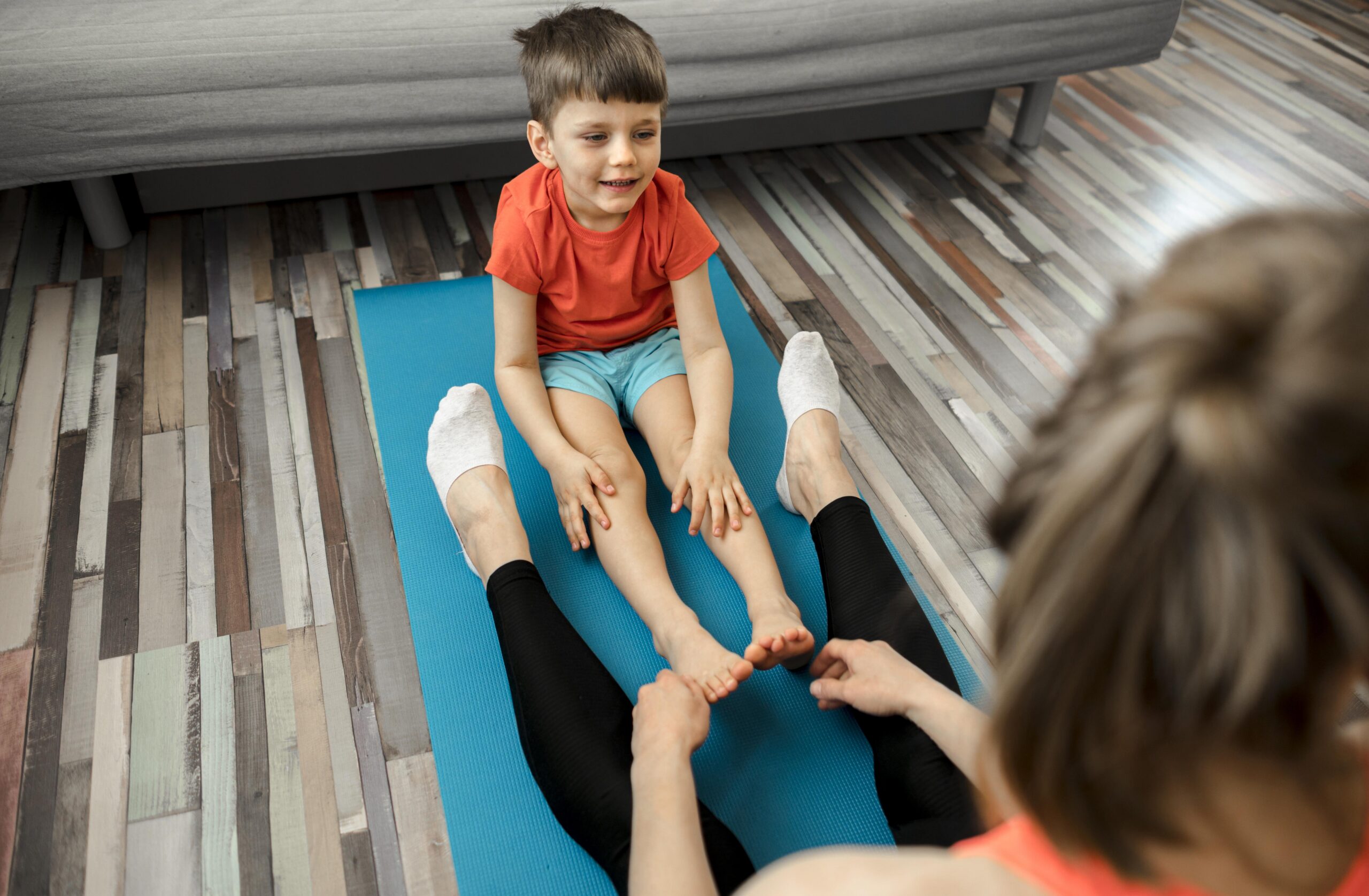
Foot strengthening exercises target the small intrinsic muscles within the foot that help support the arch. These might include activities like picking up marbles with toes, scrunching towels with feet, or practising forming an arch while standing. For young children, these exercises are often presented as games to maintain engagement.
Balance and proprioception training helps children develop better awareness of foot position and improves stability. Activities might include standing on one leg, walking on different surfaces, or playing balance-based games. Better proprioception leads to improved foot control during daily activities.
Gait assessment to review any compensatory walking patterns that have developed. The physiotherapist helps your child to practice exercises which may promote functional and comfortable walking.
Stretching and mobility work to help with tightness in the calf muscles that may contribute to flat feet or make arch development more difficult.
Functional exercises incorporate foot strengthening into activities your child already enjoys, making treatment feel less like therapy and more like play.
It is important that your therapy plan is tailored to your child’s unique strengths, interests and abilities. A physiotherapist will aim to provide strategies that work within your daily schedule and do not significantly disrupt you and your child’s lifestyle.
Why Early Detection and Intervention Matter
Early childhood is a period in which children are developing their physical skills. Alongside this, physical participation is heavily linked with social participation and self-confidence. If symptomatic flat feet are limiting a child’s ability to participate, they may withdraw from physical activity. Physiotherapy aims to find ways to encourage fun, safe and comfortable movement for kids to optimise their wellbeing.
Early physiotherapy intervention can:
- Promote natural arch development by strengthening the muscles and encouraging optimal foot mechanics during the key developmental years
- Prevent compensatory problems before they become established patterns affecting knees, hips, and back
- Build strong foundations for physical activity ensuring children can participate fully and confidently in sports and play
- Address pain early before it becomes chronic or leads to activity avoidance
- Establish a healthy relationship with movement that can persist throughout life
Children’s bodies are remarkably adaptable. When issues are identified early and appropriate support is provided, young bodies can respond quickly and effectively.
We can help
Your child’s flat feet don’t have to limit their activity, cause ongoing pain, or lead to future problems. With appropriate assessment and early intervention when needed, most children with flat feet can develop strong, functional feet that support an active, comfortable life.
Contact Kids Club Paediatric Therapy today to arrange a comprehensive assessment and discover how physiotherapy can support your child’s foot health, comfort, and ability to participate fully in all the activities they love.