

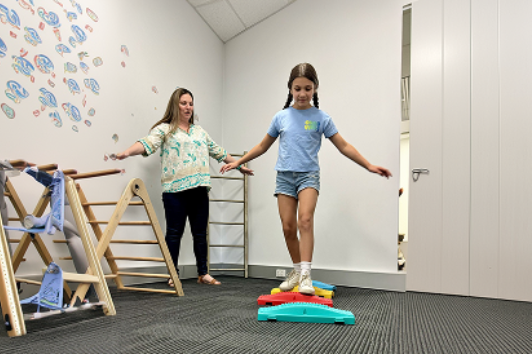
Your teenager has been training harder than ever, yet their performance seems to have plateaued. Perhaps they’re dealing with niggling injuries that won’t quite go away, or you’ve noticed they’re not moving as efficiently as their teammates. Maybe they’re preparing for representative trials and you want to give them every possible advantage. Whatever the situation, you’re wondering whether physiotherapy could help, and whether it’s just for injuries or can actually boost athletic performance.
The answer is clear: children’s physio offers teenage athletes far more than just injury treatment. Through targeted assessment, muscle strengthening, coordination training, and movement optimisation, physiotherapy can be the difference between good performance and great performance, between recurring injuries and consistent training, and between unrealised potential and athletic success.
Why Teenage Athletes Need Specialised Physiotherapy
The adolescent years represent a unique and challenging time for athletes. Between ages 13 and 18, teenagers experience rapid growth spurts that can temporarily affect coordination, flexibility, and strength ratios. Bones grow faster than muscles and tendons can adapt, creating temporary vulnerabilities around growth plates, the areas of developing tissue at the ends of long bones.
During this critical developmental window, the movement patterns and physical habits teenagers establish often stay with them throughout their sporting careers. Poor biomechanics learned now can become ingrained, limiting future performance and increasing injury risk. Conversely, optimal movement patterns developed during adolescence provide a foundation for lifelong athletic success.
Australian research shows that teenage sports injuries are increasingly common, with approximately 40% of adolescent athletes experiencing at least one significant injury per year. Many of these injuries are overuse injuries, gradual damage caused by repetitive stress without adequate recovery. These include conditions like Osgood-Schlatter disease (knee pain), Sever’s disease (heel pain), stress fractures, and tendinopathies that can sideline young athletes for months if not properly addressed.
The stakes are high. For teenagers with high ambitions, injuries don’t just cause immediate pain, they can derail training progression, cause missed selection opportunities, and create psychological impacts that affect confidence and enjoyment of sport. Specialised paediatric physiotherapy addresses both the physical and developmental aspects of teenage athleticism, providing intervention strategies that work with, rather than against, growing bodies.
The Performance Benefits of Children’s Physio for Teen Athletes
How does physiotherapy improve athletic performance for teenagers? Physiotherapy enhances athletic performance by optimising movement efficiency, correcting biomechanical imbalances, strengthening stabilising muscles, and improving coordination. Teenage athletes who receive regular physiotherapy typically demonstrate better technique, reduced energy waste during movement, faster recovery between training sessions, and significantly lower injury rates, all factors that directly translate to improved performance.
Beyond injury treatment, physiotherapy for teens functions as a performance optimisation system. A physiotherapist assesses how your teen moves during sport-specific actions: running, jumping, throwing, and identifies inefficiencies or compensatory patterns that limit performance or increase injury risk.
For example, a netball player might be unknowingly landing from jumps with poor knee alignment, reducing their jump height and increasing ACL injury risk. A swimmer might have shoulder muscle imbalances creating unnecessary drag and limiting power. An AFL player might lack hip mobility, forcing their lower back to compensate and reducing their kicking power while increasing back injury risk. Athletic therapy identifies and corrects these issues before they become limiting factors.
Muscle strengthening through physiotherapy isn’t just about building bigger muscles, it’s about developing the right muscles in the right patterns. Physiotherapists target often-neglected stabilising muscles that control joint position during dynamic movement. Strong glutes, for instance, are crucial for powerful running and jumping while protecting knees from injury. Core stability allows force to transfer efficiently between upper and lower body. These functional strength gains directly improve speed, power, endurance, and agility.
Coordination and proprioception, your body’s awareness of where it is in space, can also be enhanced through physiotherapy. Better coordination means quicker reactions, more precise movements, and improved skill execution under pressure.
Common Teenage Sports Injuries Physiotherapy Prevents and Treats
Understanding the injury landscape helps explain why physiotherapy is so valuable for teen athletes. Common teenage sports injuries include:
- Growth-related injuries: Osgood-Schlatter disease (knee), Sever’s disease (heel), stress fractures affecting growth plates
- Overuse injuries: Tendinopathies in shoulders, knees, and ankles; shin splints; stress reactions in bones
- Acute injuries: Ankle sprains, ACL tears, shoulder dislocations, hamstring strains, groin injuries
- Chronic pain syndromes: Patellofemoral pain (runner’s knee), lower back pain in sports requiring rotation
Early physiotherapy intervention for these conditions typically results in faster recovery and better outcomes than delayed treatment. More importantly, physiotherapists can identify risk factors before injuries occur. Through movement screening and biomechanical assessment, they spot the warning signs (muscle imbalances, flexibility limitations, poor landing mechanics) that predict injury.
Injury prevention becomes a performance strategy. An athlete who trains consistently without injury setbacks accumulates more quality training hours than an athlete with comparable talent who’s frequently sidelined. Over a season or a teenage sporting career, this consistent training creates substantial performance advantages.
When injuries do occur, physiotherapists guide safe return-to-sport progressions. Returning too quickly risks re-injury or compensatory problems. Returning too slowly means unnecessary time away from sport. Evidence-based return-to-sport protocols ensure teenagers regain full function before resuming competitive play, protecting both their immediate season and long-term athletic future.
What Physiotherapy for Teenagers Looks Like
Physiotherapy for teenage athletes begins with comprehensive assessment. Unlike a standard physio assessment focusing primarily on injury sites, sports-focused evaluation includes functional movement screening, observing how your teen performs fundamental movement patterns like squatting, lunging, and single-leg balance. Sport-specific assessments test movements relevant to their particular sport.
The physiotherapist also considers training loads, competition schedules, growth stage, previous injury history, and performance goals. This holistic view allows them to create truly individualised treatment plans that integrate seamlessly with existing training rather than competing with it.
Treatment typically combines several approaches:
Manual therapy addresses joint mobility restrictions and muscle tension that limit performance or contribute to injury risk. Exercise prescription targets specific weaknesses, imbalances, or movement deficiencies identified during assessment. These aren’t generic gym exercises but carefully selected activities addressing your teen’s unique needs. Education helps teenage athletes understand their bodies, recognise warning signs of overtraining, and take ownership of injury prevention strategies.
Load management guidance is particularly crucial for teenage athletes, who often struggle to balance school, multiple sports, and social pressures to train harder. Physiotherapists help structure training loads that promote adaptation without overuse, considering growth patterns and recovery capacity.
Many physiotherapists also coordinate with coaches, ensuring training programs complement rather than conflict with physiotherapy goals. This collaborative approach, particularly valuable in athletic development programs for teenagers, creates a comprehensive support system around the young athlete.
Sessions are typically scheduled around training and competition commitments, with frequency depending on whether the focus is injury rehabilitation (often weekly initially) or performance optimisation and injury prevention (monthly or quarterly check-ins).
Physiotherapy for Teens vs Adults: Why Age Matters
| Aspect | Teen Athletes (13-18) | Adult Athletes |
| Growth Considerations | Active growth plates vulnerable to injury; changing body proportions affect biomechanics; rapid growth can temporarily reduce flexibility and coordination | Skeletal maturity; stable body proportions; injuries don’t affect growth |
| Common Injury Types | Growth plate injuries, apophysitis (growth-related inflammation), overuse injuries from rapidly increasing training loads | Degenerative injuries, chronic overuse from years of accumulated stress |
| Recovery Capacity | Generally faster tissue healing; highly adaptable to new movement patterns; excellent neuroplasticity for coordination training | Slower tissue repair; established movement patterns harder to modify |
| Treatment Focus | Developing optimal movement patterns; injury prevention during growth; balancing multiple sports; education for long-term athletic development | Maintaining performance despite aging; managing chronic conditions; sport-specific optimisation |
| Psychological Approach | Engaging teens as active participants; addressing performance anxiety and peer comparisons; balancing parent and athlete goals | Independent decision-making; career longevity considerations |
| Training Integration | Must coordinate with school, multiple sports, and social development; emphasis on varied movement experiences | Typically specialised in one sport; more control over training variables |
Teenage athletes require distinct physiotherapy approaches that account for developmental differences: this comparison highlights why specialised children’s physio is essential rather than optional for teenage athletes. The approaches, considerations, and goals differ substantially from adult sports physiotherapy.
Signs Your Teen Athlete Would Benefit from Physiotherapy
Not every teenage athlete needs immediate physiotherapy intervention, but certain indicators suggest professional assessment would be valuable:
- Recurring pain or injuries in the same area, even if they seem minor, this suggests underlying biomechanical issues
- Performance plateau despite consistent training effort, potentially indicating movement inefficiencies
- Visible asymmetries in how they move, such as favouring one leg, asymmetrical arm movement, or uneven shoulder height
- Pain that affects daily activities beyond just sport, like difficulty walking up stairs or sitting through classes
- Preparing for increased training intensity, such as entering representative programs or transitioning to year-round training
- Recent growth spurt accompanied by coordination changes, flexibility loss, or new discomfort
- Upcoming trials or important competitions where optimal performance is crucial
- Concerns from coaches about technique or movement quality
- Multiple sports participation increasing total training load and injury risk
- Previous significant injury requiring clearance or confidence before returning to full competition
If your teenager shows several of these signs, a physiotherapy assessment provides valuable baseline information and intervention strategies before minor issues become major problems.
Frequently Asked Questions
Will physiotherapy make my teen faster or stronger?
Physiotherapy can contribute to improved speed and strength by optimising movement efficiency, correcting biomechanical issues that waste energy, and ensuring muscles work in proper patterns. While physio isn’t a replacement for sport-specific training, it creates the physical foundation that allows training to be more effective and produces better results.
How is sports physiotherapy different from regular physiotherapy?
Sports physiotherapy focuses on performance optimisation and sport-specific demands, not just pain relief. Sports physiotherapists understand the biomechanics of different sports, work with training schedules, and aim to keep athletes competing safely rather than simply resting until pain resolves. They also emphasise injury prevention through movement screening and load management.
Can my teenager continue training during physiotherapy?
In most cases, yes. Physiotherapists typically modify rather than eliminate training, ensuring continued fitness and skill development while addressing underlying issues. Complete rest is rarely necessary except for specific acute injuries. The goal is to maintain athletic conditioning while implementing corrective strategies.
Is physiotherapy only necessary after an injury?
No, proactive physiotherapy for injury prevention and performance enhancement is increasingly common among teenage athletes. Regular movement screening identifies risk factors before injuries occur, and biomechanical optimisation improves performance even in uninjured athletes. Many representative programs now include physiotherapy as standard support.
How long before we see improvements in performance?
This varies depending on the issues being addressed. Improvements in pain or acute injury symptoms may occur within 2-4 weeks. Biomechanical changes and movement pattern corrections typically take 6-12 weeks as the nervous system adapts. Performance enhancements from improved efficiency and reduced injury disruptions accumulate over an entire season or longer.
Give Your Teen the Performance Advantage
Your teenager’s athletic journey deserves every possible advantage. Whether they’re aspiring to representative honours, pursuing sporting scholarships, or simply wanting to enjoy their sport pain-free, physiotherapy provides evidence-based support that goes far beyond treating injuries.
By addressing biomechanics, preventing injuries before they occur, optimising movement efficiency, and supporting healthy athletic development during the crucial teenage years, physiotherapy doesn’t just help your teen perform better now, it builds the foundation for a lifetime of healthy, enjoyable physical activity.
Don’t wait for a serious injury to seek professional support. Proactive intervention keeps teenagers on the field, performing at their best, and developing towards their full potential.
Contact Kids Club Paediatric Therapy today to book a comprehensive sports performance assessment and discover how physiotherapy can transform your teen’s athletic performance, resilience, and longevity in sport.